What You Can Change About a Waterloo Region Home — and What You Can't

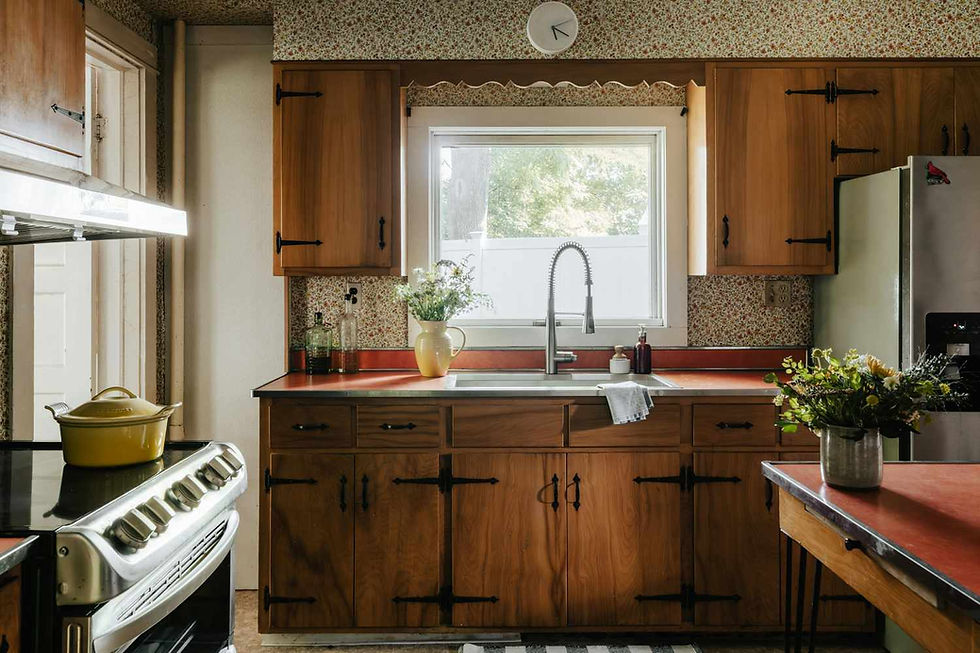
It happens more often than you'd think: a buyer walks away from a home they otherwise loved because of something that bothered them. The kitchen was dated. The carpet was awful. The paint colours made them wince. The landscaping was overgrown and uninspiring.
Here's the thing: every single one of those problems disappears with money and time. They're changeable. They're temporary. And passing on a home with great bones, a great lot, and a great location because the previous owner had terrible taste in flooring is one of the most common — and sometimes most expensive — mistakes buyers make.
The flip side is equally important. Some things about a house can never be changed, no matter how much you spend. The lot size, the orientation, the ceiling height, the foundation, the street it sits on, the neighbourhood around it — these are permanent. They were set when the house was built, and they'll still be there long after you've replaced every surface inside.
Smart buyers learn to separate the permanent from the temporary. They look past the wallpaper and see the south-facing windows. They ignore the dated kitchen and notice the 2.7-metre ceilings. They understand that the ugly duckling on the best street is almost always a better investment than the renovated showpiece on the worst one.
Here's your guide to knowing the difference.
The Permanent: What You Cannot Change

These are the features locked in when the house was designed, built, and positioned on its lot. They define the home's fundamental character and long-term value. Get these right, and everything else can be fixed over time. Get these wrong, and no renovation will fully compensate.
Location and Neighbourhood
This is the most permanent thing about any property. You can change every surface, every system, and every fixture inside a home. You cannot move it to a different street, a different school catchment, or a different neighbourhood.
Location determines your commute, your children's schools, your walkability to amenities, your proximity to green space, and the long-term trajectory of your property's value. A home in a neighbourhood that's gaining momentum will appreciate regardless of its interior condition. A home in a declining area will struggle to hold value no matter how beautiful the renovation.
When your agent shows you a property, they should be helping you evaluate the location as a long-term investment — not just whether you like the house today, but whether the neighbourhood's trajectory supports your goals over the years you plan to own it.
Lot Size, Shape, and Orientation
Your lot is permanent. The square metres of land your home sits on, the shape of that land, and the direction it faces are fixed. You can landscape it, fence it, and redesign every planted surface — but you cannot make it bigger, change its proportions, or rotate the house to face a different direction.
Sun orientation matters more than most buyers realise. A south-facing backyard gets sunlight throughout the day, making it warmer, brighter, and more usable for gardening, entertaining, and outdoor living. A north-facing backyard will be cooler and shadier — pleasant in summer but limiting in spring and fall. In Waterloo Region, where we're trying to maximise every week of outdoor season, orientation makes a meaningful difference to daily enjoyment.
Lot size determines future possibilities. A generous lot gives you options — room for a deck, a garden, a garage, an addition, or simply the breathing room that comes from not being on top of your neighbours. A tight lot limits what you can build and how the outdoor space functions. Look at the lot as carefully as you look at the house.
Foundation and Structure
The foundation is the most expensive thing to fix and the most consequential thing to ignore. Significant foundation problems — cracks, shifting, water infiltration, structural settlement — can cost tens of thousands of dollars to address and may never be fully resolved.
Beyond the foundation, the home's structural bones — load-bearing walls, floor joists, roof structure, the basic framing that holds everything together — define what's possible inside. You can remove a non-load-bearing wall in a weekend. Relocating a load-bearing wall requires engineering, permits, and structural support — it's doable but expensive. Understanding which walls carry weight and which don't tells you whether that open-concept dream is a simple renovation or a major structural project.
Your home inspector and your agent should be helping you assess structural condition before you commit. At Team Pinto, Aron's construction background means we're evaluating bones, not just surfaces, at every showing.
Ceiling Height

Ceiling height is set by the original construction and is effectively permanent. Standard 2.4-metre ceilings feel different from 2.7 or 3-metre ceilings — the additional height creates a sense of space and light that low ceilings simply can't replicate. Conversely, a home with 2.1-metre ceilings in the basement will always feel constrained, regardless of how beautifully you finish that space.
Pay attention to ceiling heights throughout the home, including the basement. A full-height basement with 2.4-metre or better ceilings represents genuine additional living space. A low basement is storage at best.
The View and Surroundings
What you see from your windows is largely permanent. If the home backs onto a park, a ravine, a conservation area, or open green space, that view is an enduring asset. If it backs onto a commercial property, a busy road, or a hydro corridor, that reality isn't changing.
Similarly, what surrounds the property — the neighbouring homes, the streetscape, the proximity to noise sources like railways, highways, or commercial activity — is fixed. Visit at different times of day and listen. The neighbourhood at 10 a.m. on a Tuesday may feel very different from 6 p.m. on a Friday or 11 p.m. on a Saturday.
The Floorplan's Basic Bones
While you can remove or add walls within limits, the home's fundamental layout — where the staircase falls, where the plumbing stacks are, where the main entrance relates to the living spaces — is difficult and expensive to dramatically alter. A home with good flow between the kitchen, dining, and living areas has a natural advantage over one where these spaces are awkwardly disconnected, even if the awkward one has newer finishes.
Walk through the home and pay attention to how it flows. Can you move naturally from the entrance to the kitchen? Is the living space connected to the outdoor space? Do the bedrooms feel private from the main living areas? These spatial relationships are far more important than the current state of the surfaces.
The Changeable: What Money and Time Can Fix

Everything in this section is temporary. It can be updated, replaced, or transformed. These are the things that affect your first impression but not your long-term satisfaction.
Kitchens and Bathrooms
The two rooms that drive the most emotional buyer reactions are also the two rooms that are most completely changeable. Cabinets, countertops, backsplash, appliances, fixtures, flooring, lighting — every visible surface in a kitchen or bathroom can be replaced.
A dated kitchen in a home with great bones and a great location is an opportunity, not a dealbreaker. Yes, a kitchen renovation is a significant investment. But a home priced lower because of its dated kitchen, sitting on a superior lot in a better location, will almost always outperform the move-in-ready home on the inferior lot over time.
The same applies to bathrooms. Pink tile from the 1960s is cosmetic. It's not structural. It comes out with a hammer and a weekend of work.
Paint, Wallpaper, and Finishes
The single fastest and most affordable transformation you can make to any room is paint. Bold colour choices, dated wallpaper, dark wood panelling — all of these disappear under a fresh coat of paint or a weekend of removal.
If you're walking through a home and the paint colours are making you uncomfortable, consciously remind yourself: this is a $500 problem, not a $50,000 problem. Don't let someone else's colour choices override your assessment of the home's permanent features.
Flooring
Carpet, hardwood, tile, laminate, vinyl — all of it can be replaced. Worn carpet is not a reason to reject a home. Neither is dated tile or scratched hardwood (which can often be refinished rather than replaced).
Look beneath the surface where possible. Many older Waterloo Region homes have original hardwood hiding under carpet — a floor that just needs sanding and refinishing to look spectacular. Your agent should be checking for this during showings.
Landscaping
An overgrown yard, neglected garden beds, a cracked patio, or a lack of privacy screening are all temporary conditions. Landscaping is one of the most transformable features of any property — and one of the most common reasons buyers undervalue a home.
What matters about the outdoor space isn't its current state — it's the lot's potential. The size, the sun exposure, the soil, the drainage, and the mature trees (which take decades to grow and can't be replaced quickly) are what you're really evaluating. Everything else can be redesigned.
Light Fixtures, Hardware, and Details
Dated light fixtures, brass door handles, old switch plates, and worn trim are the details that make a home feel tired — and they're among the cheapest and easiest things to update. A few hundred dollars in new fixtures and hardware can modernise a home's feel dramatically.
Don't let these small details colour your impression of the home's quality. They're surface-level, and they're the first things you'll change after moving in.
Windows, Doors, and Siding
These are more significant investments than paint or fixtures, but they're still fully replaceable. New windows improve energy efficiency, reduce noise, and change the look of a home inside and out. New exterior doors and updated siding or trim transform curb appeal.
If a home's windows are original single-pane units from the 1970s, that's a cost to factor into your budget — but it's a known, solvable problem, not always a reason to walk away from an otherwise excellent property.
Mechanical Systems
The furnace, air conditioning, water heater, and electrical panel are all replaceable. They're expensive, and their condition should factor into your offer and your budget — but they're not permanent features of the home. Every mechanical system has a lifespan, and replacing them is routine homeownership, not a crisis.
Your home inspector will assess the age and condition of these systems. Your agent should be helping you factor replacement costs into your offer strategy so you're buying at a price that accounts for upcoming capital expenses.
The Grey Zone: Changeable But Expensive
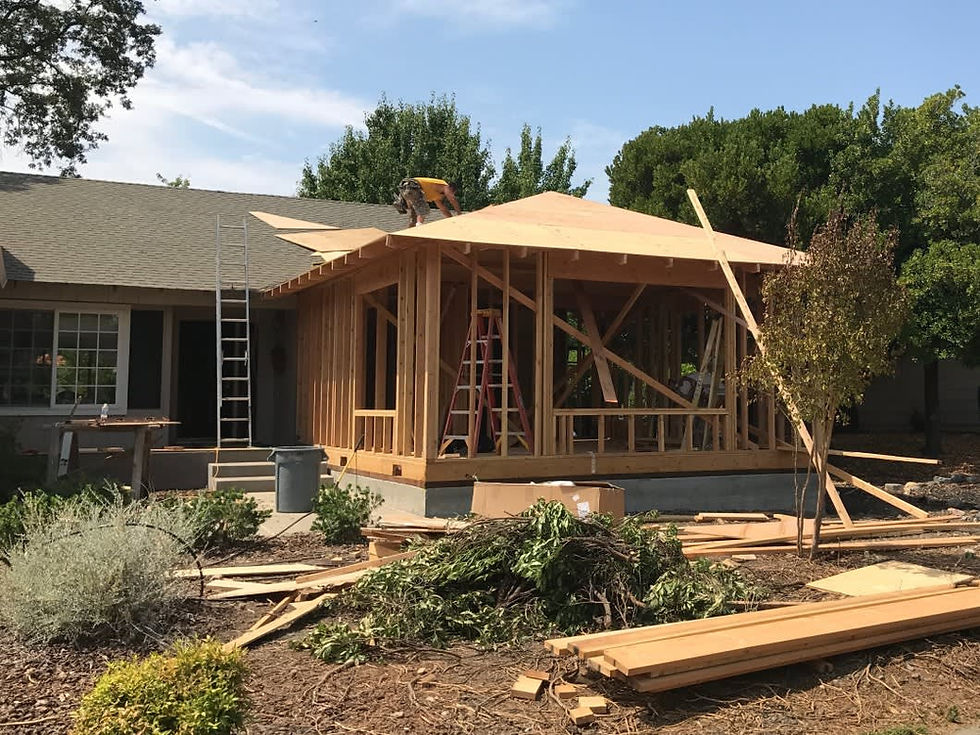
Some features fall between permanent and easily changeable. They can be altered, but the cost and complexity put them in a different category.
Additions and extensions. You can add living space to a home, but it requires architectural design, permits, foundation work, and significant construction costs. The potential for an addition depends on lot size, setback requirements, and municipal zoning — your agent should be helping you understand what's possible before you buy.
Basement finishing or waterproofing. An unfinished basement is an opportunity. A wet basement is a solvable problem — but the solution (exterior waterproofing, drainage systems, sump pump installation) can be costly. Understand what you're dealing with before you commit.
Garage construction. If a property lacks a garage but has the lot space, adding one is possible but represents a meaningful investment. Factor this into your budget if garage space is important to you.
Major layout changes. Removing load-bearing walls, relocating kitchens or bathrooms (which requires moving plumbing and potentially electrical), or reconfiguring the floor plan significantly is possible but expensive. These projects require permits, professional trades, and careful planning.
A Word About Move-In Ready — and Why That's Valid Too

Not everyone wants a project. Some buyers have the budget, the energy, and the vision to see past dated surfaces and renovate a home into exactly what they want. Others — and this is equally reasonable — want to move in, unpack, and live. No contractors, no dust, no months of decision-making about tile and countertops.
If that's you, there's nothing wrong with prioritising move-in condition. A home that's already been updated well, with a kitchen you love and finishes you're happy with, has real value — both practical and emotional. The point isn't that everyone should buy the cheapest home on the best street and renovate. The point is that when you're evaluating a property, understanding which features are permanent and which are temporary helps you weigh your options more clearly.
A buyer who wants move-in ready should still prioritise the permanent features — location, lot, structure, orientation — and then look for a home where the temporary features have already been addressed to their satisfaction. A buyer willing to renovate has a wider playing field, because they can see opportunity where others see problems. Both approaches are valid. What matters is knowing what you're looking at.
How Team Pinto Helps You See What Matters

One of the most valuable things a buyer's agent does is help you see past the surface and evaluate what actually matters about a property.
At Team Pinto, when we walk through a home with you, we're reading the permanent features — the lot, the location, the structure, the orientation, the ceiling heights, the flow — while helping you mentally set aside the temporary ones. We've seen buyers fall in love with beautifully staged homes that had fundamental problems, and we've seen buyers dismiss exceptional properties because of dated kitchens or unfortunate paint choices.

Our job is to help you see the home's true potential and make a decision based on the things that actually determine your long-term satisfaction and investment return — not the things that a coat of paint or a weekend of work will fix.
Ready to start looking with fresh eyes? Contact Team Pinto at 519-818-5445 or visit teampinto.com. We'll help you find the right home — even when it's hiding behind someone else's wallpaper.
Home renovation and improvement information provided for general guidance. Costs vary based on specific property conditions, materials, and scope of work. For structural modifications, always work with qualified, licensed contractors and confirm local building code and permit requirements. Team Pinto serves buyers and sellers across Kitchener, Waterloo, Cambridge, and the surrounding communities of Waterloo Region.


